Study Guide Test on Chapter 19.
Understand the phases of the moon.
Understand the H-R diagram
Understand the temp/color/composition of stars
Understand the difference between galaxy types
Understand the big dipper is like a clock and how to read that clock.
Know how to use a star tracker.
Explain the life cycle of a star depending on its starting mass.
Know galaxy worksheet - basics of galaxies and black holes and super galaxies
Understand the meaning of each variable in the Drake equation. F sub capital L?
Essay: Explain the cuases of the seasons in detail. Give examples using the Poles and Tropic Lines.
Essay: Explain the cuases of the seasons in detail. Give examples using the Poles and Tropic Lines.
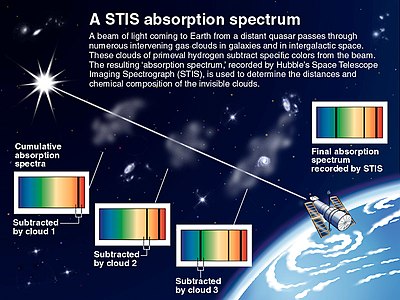
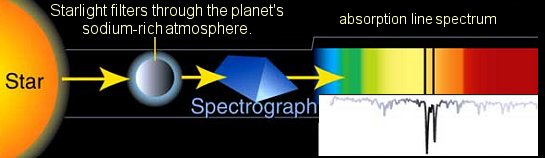
Spectrum Apparent magnitude Absolute magnitude Light-year Parallax H-R diagram Main sequence White dwarf Red giant Supernova Neutron star Pulsar Black hole Galaxy Spiral galaxy Elliptical galaxy Irregular galaxy Nebula Open cluster Globular cluster Quasar Gibbous Crescent Waxing Waning Solstice Equinox Aphelion Perihelion Angular Heigth of the Sun |
Honors:
· Math using speed of light and scientific notatio
· Math calculating the distance and time to travel to certain stars or size and distance between galaxies calculated.
· Use the Drake equation given certain variables
· What is Dark Matter and Dark Energy?